

THE RIGHT WORK, AT THE RIGHT TIME
Give repetitive work less of your day.
Useful automation begins with a specific piece of work. It might be finding information across documents, preparing a first draft, classifying incoming requests or moving an approved record between systems. We help you define the task, its inputs and an acceptable result, then decide whether a straightforward integration, a rules-based workflow or an AI feature is the right approach.
Our AI development and automation services cover product features, assistants, bounded agents and connected business workflows. We work through the data sources, permissions and tools each feature needs. A proposed action may need a person’s approval; an uncertain answer may need a clear fallback. These decisions are part of the product experience, so your team can understand what the system has done and take over when necessary.
Before expanding a pilot, we evaluate representative examples, look at failure cases and review the cost and response time of the workflow. We can add AI to an existing web or mobile product or build a focused new experience around it. The aim is a repeatable, observable improvement to a real task, with an agreed owner for ongoing evaluation and changes.
THE WORK IN PRACTICE
AI features and connected operations in real products.
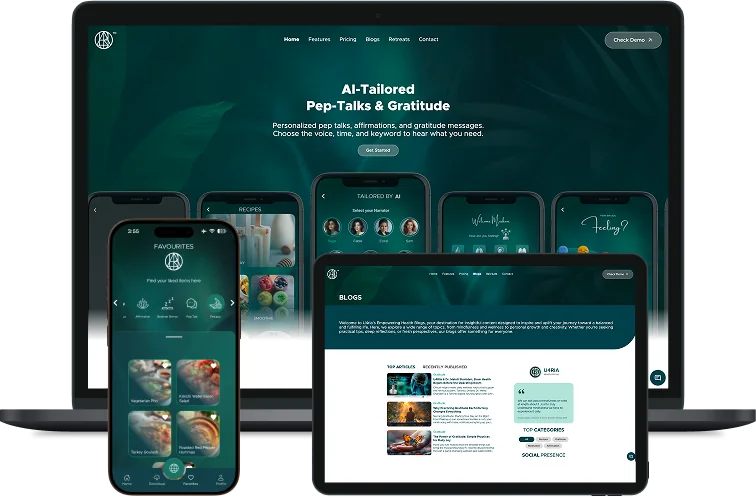
U4RIA
U4RIA’s personalized pep talks bring persona and emotion choices into a bounded AI feature within a wider wellness product. MUBBITS’ scope includes design, web, mobile and AI features. Its 300k+ downloads across platforms are a client-reported product milestone, rather than a measure of the AI feature’s impact.
Read the U4RIA case study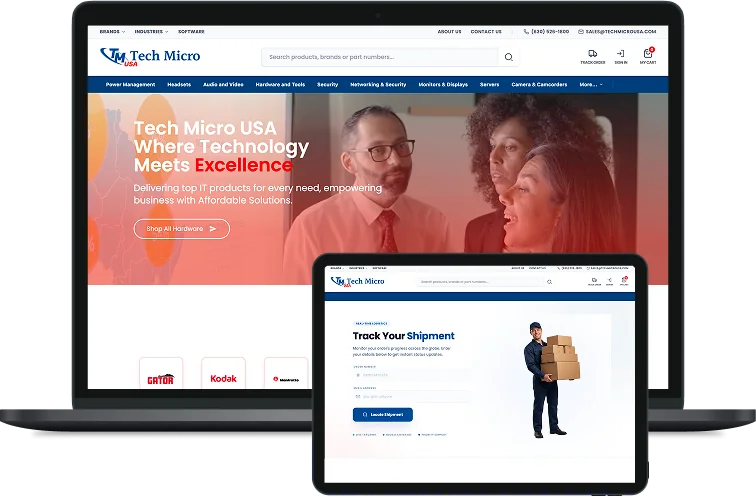
Tech Micro USA
Tech Micro USA demonstrates connected commerce operations: carrier, payment and accounting integrations around orders, shipping and financial records. This is an example of application and integration engineering; the case study does not claim a deployed AI agent.
Read the Tech Micro USA case studyEXPLORE THE SERVICES
A closer look at where we can help.
Choose a service to explore the scope, delivery approach and questions to consider for your project.
AI products
New AI-powered applications, from product discovery to a tested first release.
Explore this serviceAI agents
Assistants that can use approved tools to complete a bounded task, with visible progress and human review.
Explore this serviceAutomation
Reliable integrations and rule-based processes for repetitive work across your business tools.
Explore this serviceIntelligent workflows
Multi-step workflows that combine AI interpretation, business rules, system integrations and review.
Explore this serviceAI for existing products
Search, summaries, assistants and other focused AI features added to an existing application.
Explore this serviceChoose a task you can evaluate
A useful AI brief names the person doing the work, the input they have and the result they need. We examine the current process and compare possible approaches, including ordinary software and rules-based automation. Where a model helps, we define a bounded first use case and the examples that will show whether the result is useful.
The same conversation covers data access and the actions the system may take. We identify which sources it can use, which tools it can call and where human review belongs. The interface should communicate progress, uncertainty and exceptions clearly so the person responsible for the work can stay involved.
Move from demonstration to dependable workflow
A promising demonstration still needs application engineering. Authentication, saved state, permissions, retries and integration errors affect the whole experience. We plan representative checks for both the model output and the surrounding product. Evaluation includes the review work required from people, alongside response time and operating cost.
A staged introduction gives your team evidence before expanding the scope. Feedback can guide changes to the sources, prompts, interface or rules. We also discuss ownership of ongoing evaluation, monitoring and updates when a provider or knowledge source changes. The dedicated guides below explain the different shapes an AI engagement can take.
Match the approach to the task
A repeatable transfer between systems often needs ordinary workflow automation. For example, a confirmed order might update a record and notify the responsible team. Defined conditions, validation and visible exceptions can make that process dependable without involving a model. Workflow platforms such as n8n and custom code are implementation options; we compare them against the integrations, hosting and maintenance your team needs.
An AI feature is useful when the task involves interpreting or generating information: summarising a document, helping a user find relevant material or preparing a draft for review. We identify the permitted sources, expected output and a fallback when the information is insufficient. In U4RIA, the documented AI scope sits inside personalized encouragement, with visible choices that shape the experience.
A bounded AI agent may suit a task that needs several tool calls and decisions along the way. We define the actions it may take, the records it may access, how long it may run and which steps require approval. Sending a message, changing a business record and moving money have different consequences. Those boundaries belong in the workflow before an agent is allowed to act.
Explore business automationStart with a pilot your team can judge
Bring one repeated task, the systems involved and representative examples of a good result. The initial scope can include a workflow map, a data and permissions review, a working pilot and a set of evaluation cases. We agree the exact deliverables, review criteria and responsibilities before building. Access to a demo is useful, but the decision to expand should rest on how the workflow behaves with your own examples.
Evaluation can measure completion, factual support, incorrect actions, escalation, response time and cost per completed task. We agree which measures matter for the use case and compare the result with the current process where a baseline is available. Difficult cases need a place in the checks: missing information, conflicting sources, malformed inputs and unavailable integrations. Any threshold is agreed with your team rather than presented as a universal accuracy promise.
A controlled introduction can start with drafts or suggestions, followed by approved actions and a limited release. We keep a route back to the existing process, record failures and make the review owner clear. Expanding permissions or task scope is a new decision that needs evidence from the running workflow.
Explore AI agent developmentPlan data access, running costs and operation
For company knowledge, we establish which documents and systems are relevant, who can read them and how changes reach the feature. A search or retrieval workflow should enforce the user’s access boundaries and make sources available when the use case needs them. We review provider data handling, retention requirements and hosting options during scoping; private deployment or specific contractual terms must be confirmed against the selected services.
Operating cost includes more than a single model response. Usage, context length, retrieval, tool calls, retries, storage and hosting affect the total. People’s review time matters too. We can model expected usage, set agreed limits and expose enough information to investigate a costly or slow task. Development fees and ongoing provider charges are identified separately in the proposal.
A production workflow needs an owner for integrations, credentials, evaluation cases and changes to prompts or knowledge sources. We plan logging with appropriate data handling, useful alerts, failure recovery and a way to pause the workflow. Handover documents the accounts, code or workflow definitions and the responsibilities your team or our ongoing engagement will carry.
Explore AI integration into an existing productClear scope. Visible progress.
A defined project can take a specific outcome through to release. If your priorities change regularly, an ongoing engagement can support a shared backlog. We agree the responsibilities, review points and scope before starting.
Understand the work
We start with your users, business model and current constraints. Bring an idea, a running product or a workflow that causes friction. Together we identify what needs to change and what a useful first outcome looks like.
Shape a practical scope
We connect the user journey to the design, engineering and operational work it needs. Assumptions, dependencies and responsibilities are discussed early, so you can make informed decisions about the first release and the work that follows.
Build with visible progress
Designs, prototypes and working features give us something concrete to discuss. We review progress with you, resolve questions as they arise and test the important journeys. Changes to priorities are considered against the agreed scope.
Launch and keep improving
Release preparation includes the agreed testing, deployment and handover. We make support responsibilities clear and can continue as your product team, improving the experience as you learn from real use and plan the next release.
Plan the build and the release.
Use these guides to decide how to automate a task and what evidence you need before expanding it.
n8n or custom automation code?
Compare workflow tools and custom implementation against the process your team needs to run.
Read the guideEvaluate an agent before release
Define representative tasks, failure cases and review criteria before relying on tool use.
Read the guideEstimate an AI feature’s running cost
Account for usage, retries, retrieval, hosting and human review in the operating model.
Read the guidePlan a useful handoff to your team
Design escalation, context and ownership for support workflows that need a person.
Read the guideFrequently asked questions
Can you add AI to an existing product?
Yes. We start with a defined user need and review the existing interface, data access and backend. The work can then focus on a bounded feature such as assisted search, summarisation or a reviewed workflow, with the surrounding permissions and feedback experience included in the scope.
How do you decide whether a task needs an AI agent?
We look at the number of decisions, tools and exceptions involved. Some tasks are better served by a predictable integration or rules-based workflow. An agent is considered when a bounded sequence benefits from model-based decisions, with explicit limits, evaluation and review points.
What should our first automation project include?
Start with one complete task and the systems it touches. A useful first scope identifies the inputs, expected result, permissions, exceptions, review owner and acceptance criteria. We can then build a pilot with representative checks and a release plan. A long list of tools is less useful than a clear account of the work your team needs to finish.
Can an AI assistant use our internal documents?
We can scope a feature around approved documents and connected data sources. We review document quality, permissions, update frequency and the behaviour expected when a source is missing or conflicts with another. Provider and retention requirements are checked before choosing an implementation. An internal source alone does not guarantee a correct answer; retrieval, access checks and evaluation still need work.
How do you handle incorrect answers or failed actions?
We define the workflow’s allowed behaviour and test failure cases before release. Depending on the task, that can include source references, output validation, limited tool permissions, approval steps, retries and escalation to a person. Logs and an agreed review process help the team investigate failures. The proposal states which safeguards and checks are included for your use case.
What will an AI feature cost to run each month?
The estimate depends on the selected providers, number and size of tasks, integrations, retrieval, retries, hosting and review requirements. We can prepare an operating model using your expected usage and refine it with pilot measurements. There is no fixed monthly AI price across different workflows; the development scope and ongoing vendor charges are discussed separately.
Can we keep our existing software and automate around it?
Often, yes, when the relevant APIs, events or approved integration routes are available. We review the current workflow and account access before recommending a connection. Tech Micro USA’s carrier, payment and accounting integrations are a related example of connecting operational systems. We define data ownership and recovery behaviour so the integration fits the way your team works.
What do we receive at handover?
The agreed handover can include source code or workflow definitions, account and credential responsibilities, deployment notes, evaluation cases and instructions for reviewing failures or pausing the workflow. We identify who maintains integrations and rechecks behaviour after changes to models, prompts or knowledge sources. Ongoing support is scoped alongside those responsibilities.
How much does a software development project cost?
The cost depends on the user journeys, integrations, platform requirements, design work and operational needs in the scope. A content website and a subscription app with an admin platform require different work. Share your priorities and budget range so we can discuss a practical first release, the assumptions behind an estimate and what can be delivered later.
Do you offer ongoing development after launch?
Yes. An ongoing engagement can cover planned improvements, maintenance, fixes and release support. We can work with a defined project scope or a monthly bank of hours as priorities evolve. Before starting, we agree how work is prioritised, what support is included and how progress is reviewed, so the arrangement fits the way your team operates.