

THE RIGHT WORK, AT THE RIGHT TIME
A better way to use the web.
Your website introduces your business. Your web application helps people do business with you. We build both: marketing websites that explain your offer, customer portals that make a task easier, and custom platforms that connect the work behind the scenes. The starting point is the journey your visitor, customer or team member needs to complete.
Our web development work brings interface design, frontend development, APIs and administration into one plan. That can mean connecting payments and notifications, building a staff dashboard, or replacing a spreadsheet process with a shared workspace. We define who can do what, where information comes from, and what happens when a step fails before those details become expensive surprises.
Public pages need readable content, descriptive metadata, crawlable links and a sensible sitemap. Every web product needs responsive layouts, considered loading and error states, and attention to performance and accessibility. Whether you are launching a first version or improving an existing React or Next.js application, we agree the important journeys, review working progress and prepare a practical handover.
THE WORK IN PRACTICE
From storefronts to the tools behind the work.

Tech Micro USA
Tech Micro USA connects a B2B hardware storefront with orders, shipping and financial operations. Our web development scope includes the customer experience, internal tools and integrations with carrier services, QuickBooks and Authorize.net.
Read the Tech Micro USA case study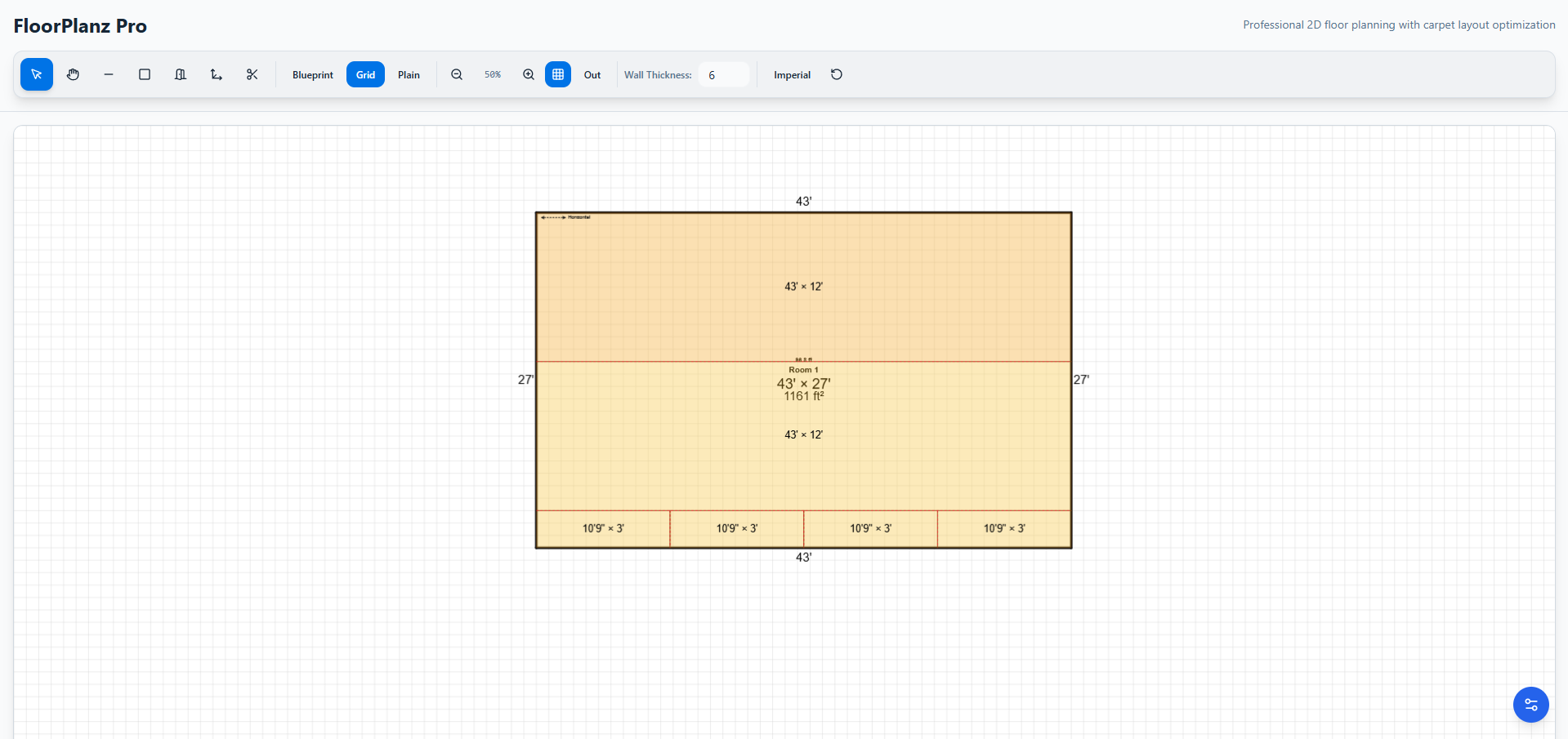
FloorPlanz Pro
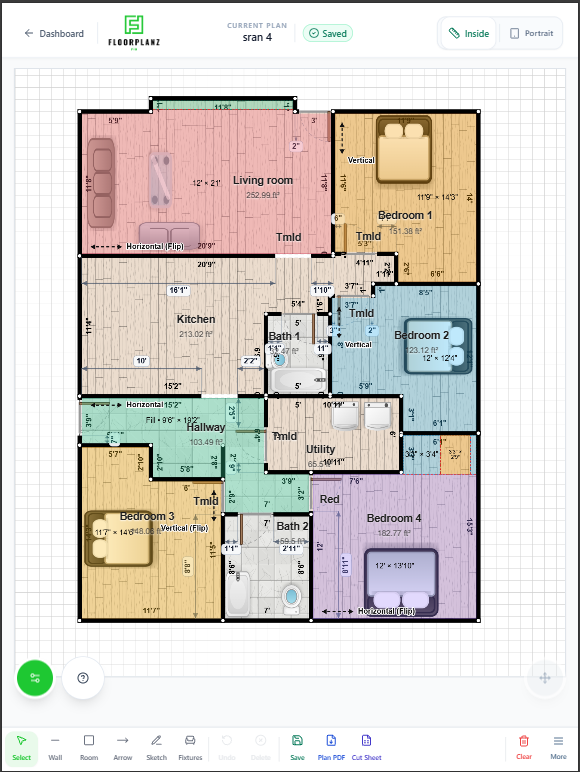
FloorPlanz Pro brings room geometry, carpet layouts, saved projects and PDF exports into a web application with PWA support and an iPad release. It shows how a browser-based product can support a detailed professional workflow.
Read the FloorPlanz Pro case study
HFS
HFS connects freelancers, companies and administrators across onboarding, shift allocation and payment tracking. The web and mobile journeys share the workflow, with each role given a clear view of the work it needs to manage.
Read the HFS case studyEXPLORE THE SERVICES
A closer look at where we can help.
Choose a service to explore the scope, delivery approach and questions to consider for your project.
Vibe coding rescue & app completion
Stuck with an AI-built app? MUBBITS reviews the code, preserves useful work and scopes the fixes, missing features and release handover needed to finish.
Explore this serviceCustom web application development
Customer portals, SaaS platforms and internal tools built around a complete business workflow.
Explore this serviceBusiness and marketing website development
Responsive websites that explain your offer, support useful content and guide visitors toward an inquiry.
Explore this serviceAPI development and system integrations
Connect payments, identity, notifications and business systems with clear ownership of data and failures.
Explore this serviceOngoing web development and maintenance
A continuing development engagement for fixes, performance work and the next useful release of your web product.
Explore this servicePlan the journey before choosing the stack
A web project starts with the people using it and the work they need to complete. We identify the key pages, user roles, data sources and administrative tasks, then connect them into an end-to-end journey. That includes the less visible steps: account recovery, confirmation messages, content editing and the person who handles a failed transaction.
For a new product, we define a first release that solves a complete problem. For an existing website or application, we review the relevant code, hosting and integrations before proposing changes. This makes it possible to distinguish a focused improvement from work that needs a larger architectural change. The delivery plan should make those assumptions visible.
Build the foundations for everyday use and discovery
Quality is checked against the pages and actions that matter. We consider responsive layouts, readable forms, keyboard interaction and behaviour on slower connections. An integration needs useful failure handling as well as a successful response. A content-led website needs an editing structure that makes routine updates manageable after handover.
For public content, we plan descriptive titles and descriptions, meaningful headings, canonical URLs, crawlable links and sitemap coverage. Those foundations support continued SEO work and help search engines understand the pages. We discuss the content, migration and redirect requirements alongside the build so a redesign can preserve useful existing URLs and guide visitors to the right destination.
Choose the right starting scope
A business website needs a clear offer, useful service or product pages and an easy route to an inquiry. We can plan the page structure, reusable components, content editing and lead forms together. The brief should identify who will supply the copy and images, how your team will update them and which existing pages already attract relevant visitors.
A custom web application needs a different plan: the task people sign in to complete. For a SaaS product, portal or marketplace, we map account roles, onboarding, records, payments and administration around that task. A first release should finish a useful journey, including the staff work behind it. A dashboard without the permissions or data it needs is only part of the product.
An ecommerce platform connects the buying experience to stock, payment, fulfillment and support. Tech Micro USA is a relevant example of this broader scope. For your project, we confirm what the existing commerce tools already handle, what needs a custom interface and which system owns each record. That makes the proposal specific to your business rather than a generic list of features.
Explore custom web application developmentConnect the website to the business running it
We can connect authentication, payments, CRM records, notifications, accounting or shipping services where their APIs and account permissions support the agreed workflow. We review a working integration early when a vendor dependency could affect the build. Your team should know which accounts it owns, what access is required and which third-party costs sit outside development.
The important design decisions include what happens when an event arrives twice, a payment fails or a service is temporarily unavailable. We agree status tracking, retry behaviour and the steps a person can use to recover. Permissions are checked in the backend as well as the interface, so hiding a control is not the only protection for a restricted action.
For an inherited React or Next.js application, the first step is to reproduce the current build and review the affected journeys. We look at dependencies, data models, deployment and integrations before deciding whether to extend the existing foundation, replace one part or plan a staged rebuild. A focused review can reveal a useful smaller scope without committing the whole product to a migration.
Explore API development and system integrationsPrepare the launch and the handover
Release checks should cover the journeys people actually use: sign-in, form submissions, purchasing, editing and the relevant admin actions. We review desktop and mobile layouts, keyboard use, loading and error states, and the agreed performance requirements. Staging and production need their own configuration, with a documented release and recovery process appropriate to the project.
For a public website migration, we inventory useful existing URLs and prepare a redirect map. We check the live destination, indexing directives, canonical URLs, sitemap and internal links after launch. Search Console can then provide crawl and indexing evidence. Technical eligibility supports discovery; continuing content work and measured search performance inform the next improvements.
The proposal defines the source code, design files, account ownership, deployment notes and training included at handover. We also agree who handles routine content changes, security updates and incidents. These responsibilities matter whether your own team takes over or we continue development from a shared backlog.
Clear scope. Visible progress.
A defined project can take a specific outcome through to release. If your priorities change regularly, an ongoing engagement can support a shared backlog. We agree the responsibilities, review points and scope before starting.
Understand the work
We start with your users, business model and current constraints. Bring an idea, a running product or a workflow that causes friction. Together we identify what needs to change and what a useful first outcome looks like.
Shape a practical scope
We connect the user journey to the design, engineering and operational work it needs. Assumptions, dependencies and responsibilities are discussed early, so you can make informed decisions about the first release and the work that follows.
Build with visible progress
Designs, prototypes and working features give us something concrete to discuss. We review progress with you, resolve questions as they arise and test the important journeys. Changes to priorities are considered against the agreed scope.
Launch and keep improving
Release preparation includes the agreed testing, deployment and handover. We make support responsibilities clear and can continue as your product team, improving the experience as you learn from real use and plan the next release.
Plan the build and the release.
Work through the scope, migration and release decisions behind a maintainable web product.
What shapes a SaaS MVP budget?
Understand the scope and dependencies behind an estimate before comparing proposals.
Read the guideImprove an existing application
Explore an incremental modernization plan and the decisions that justify a rebuild.
Read the guideConnect billing to product access
Plan subscription states, webhook handling and access rules beyond the checkout screen.
Read the guideBuild accessibility into the journey
Review forms, navigation and interaction choices that affect everyday use.
Read the guideFrequently asked questions
Do you build websites as well as custom web applications?
Yes. A marketing website, a customer portal and a SaaS platform have different requirements, but all can sit within our web development work. We scope the content, functionality, integrations and administration around the outcome you need, then agree the best starting point.
Can you work with our current React or Next.js codebase?
Yes. We first review the relevant code, dependencies, deployment setup and current behaviour. That review helps us plan changes that fit the application rather than promising a rebuild before understanding it. Access to the repository and a clear description of the problem make the first conversation more useful.
Will we be able to edit our website content?
We can include an editing workflow in the scope. The right choice depends on who maintains the site, the types of pages and how often they change. We discuss a CMS, an admin workspace or updates through the codebase, including draft review, publishing permissions and training. Editing tools are planned with the content model rather than added as an assumption at the end.
Can you build a SaaS product with billing and different user roles?
Yes. We can scope the customer application, subscriptions, role permissions and administrative tools together. We define how access changes when a subscription starts, changes or ends, and how your team handles exceptions. The first release and integrations determine the estimate; adding checkout alone does not complete a subscription product.
How do you protect existing search traffic during a redesign?
We review the current URLs, content and available search data, then map retained pages and relevant redirects. After release, we check responses, indexing directives, canonicals, links and the sitemap, and inspect important URLs in Search Console where access is available. We measure search performance after the change; a redesign cannot guarantee unchanged rankings.
What do you need to estimate a web development project?
Share the main user journey, important roles, existing website or codebase, integrations, content responsibilities, budget range and target timing. Examples of the work your team completes today are useful too. We turn those inputs into a proposed first scope, acceptance criteria, dependencies and a release plan so you can compare the estimate against concrete deliverables.
Who owns the code, hosting and third-party accounts?
Ownership and access are documented in the proposal. We identify the source repository, hosting, domain, payment and other vendor accounts, the handover materials and the people responsible for maintenance. If we are joining an existing project, we review the current account arrangement first so the transition has a clear owner.
How much does a software development project cost?
The cost depends on the user journeys, integrations, platform requirements, design work and operational needs in the scope. A content website and a subscription app with an admin platform require different work. Share your priorities and budget range so we can discuss a practical first release, the assumptions behind an estimate and what can be delivered later.
Do you offer ongoing development after launch?
Yes. An ongoing engagement can cover planned improvements, maintenance, fixes and release support. We can work with a defined project scope or a monthly bank of hours as priorities evolve. Before starting, we agree how work is prioritised, what support is included and how progress is reviewed, so the arrangement fits the way your team operates.