

THE RIGHT WORK, AT THE RIGHT TIME
A foundation your team can work with.
A product depends on more than the screen in front of the user. Hosting, databases, file storage, background work and deployment all affect how it behaves and how easily your team can maintain it. Our cloud architecture services connect those pieces around your workload, data needs and the level of operational responsibility your business can support.
We help plan and implement infrastructure using platforms such as AWS, Google Cloud and Firebase where they fit the requirements. The work can include environment separation, configuration management, deployment pipelines and access policies. We discuss likely usage, integrations and growth so the architecture has a clear purpose and avoids unnecessary complexity at the current stage of the product.
Operating the system deserves a plan of its own. We can define logging and alerts, document release and rollback steps, and review backup, recovery and resource-usage needs. For an existing application, that may begin with a focused review and a staged improvement plan. Your team should know how a change reaches users, how a problem becomes visible and who is responsible for the response.
EXPLORE THE SERVICES
A closer look at where we can help.
Choose a service to explore the scope, delivery approach and questions to consider for your project.
Cloud infrastructure planning and setup
Choose and configure the hosting, data and background services your product needs at its current stage.
Explore this serviceDeployment pipelines and CI/CD setup
Repeatable builds, checks and releases with clear environments and a documented route back from a failed change.
Explore this serviceApplication monitoring and observability
Logs, metrics and actionable alerts that help your team understand application problems and respond to them.
Explore this serviceCloud operations and infrastructure improvement
Review resource use, backups, access and routine operations so a running product becomes easier to support.
Explore this serviceChoose infrastructure around the workload
Architecture decisions start with the product’s data and activity: what users do, what needs to be stored, which jobs run in the background and what depends on an external system. We discuss likely usage and the consequences of an interruption. A clear workload model helps make choices about services, environments and operational responsibilities.
For an existing application, we review the current setup and identify constraints before recommending changes. The first improvement may be a repeatable deployment, better visibility into errors or clearer access boundaries. A staged plan can make those improvements manageable while the product continues to operate.
Make releases and recovery understandable
A deployment process should explain how a change is built, checked and promoted to production. We can separate environments, document configuration and define a rollback path appropriate to the application. Backups and recovery require attention to the actual data and dependencies, including how the team would verify that a restored service works.
Logs, metrics and alerts are useful when they connect to a clear response. We discuss what needs monitoring, who owns an issue and how resource usage is reviewed. Handover should give the operating team practical information about routine releases and common problems, with further support agreed as part of an ongoing engagement.
THE WORK IN PRACTICE
Explore the FloorPlanz Pro story.
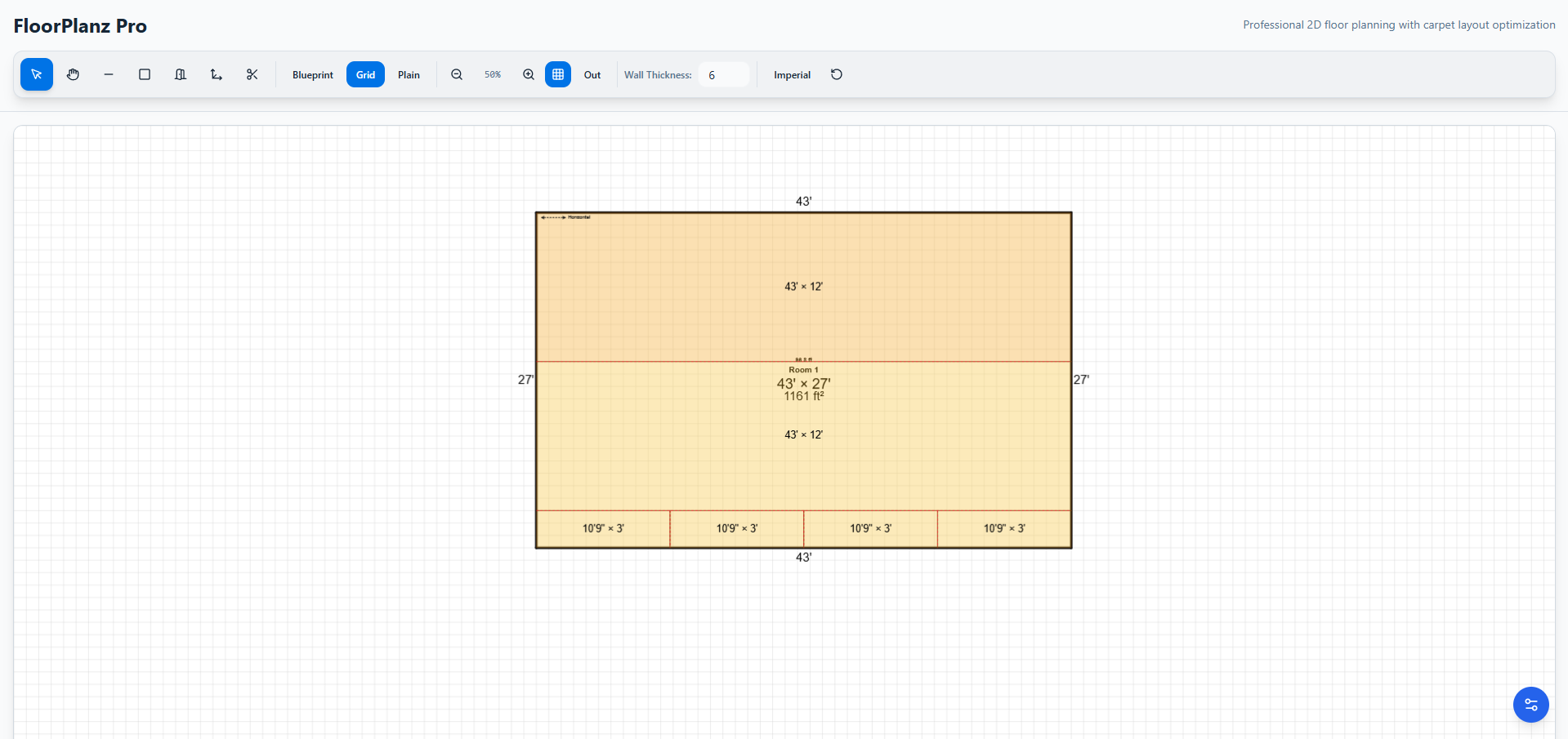
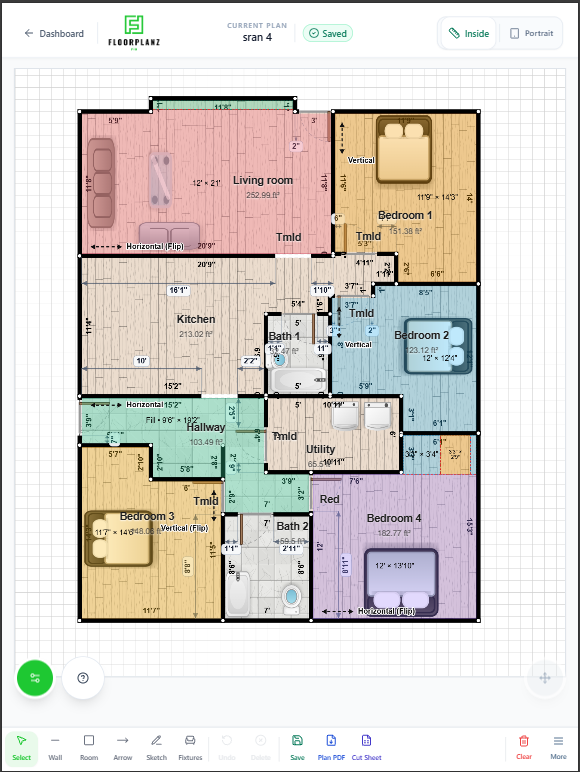
FloorPlanz Pro connects a drawing workspace with saved projects across its web and app experience. Read how the product was rebuilt around a shared PWA foundation.
Read the full case studyClear scope. Visible progress.
A defined project can take a specific outcome through to release. If your priorities change regularly, an ongoing engagement can support a shared backlog. We agree the responsibilities, review points and scope before starting.
Understand the work
We start with your users, business model and current constraints. Bring an idea, a running product or a workflow that causes friction. Together we identify what needs to change and what a useful first outcome looks like.
Shape a practical scope
We connect the user journey to the design, engineering and operational work it needs. Assumptions, dependencies and responsibilities are discussed early, so you can make informed decisions about the first release and the work that follows.
Build with visible progress
Designs, prototypes and working features give us something concrete to discuss. We review progress with you, resolve questions as they arise and test the important journeys. Changes to priorities are considered against the agreed scope.
Launch and keep improving
Release preparation includes the agreed testing, deployment and handover. We make support responsibilities clear and can continue as your product team, improving the experience as you learn from real use and plan the next release.
Frequently asked questions
Can you improve our existing cloud setup without rebuilding the app?
Often, yes. We first review the application’s dependencies and the infrastructure problem. Deployment, monitoring or access improvements may be possible independently, while a data or hosting migration may require application changes. The review helps define the least disruptive practical scope.
Do you choose a cloud provider for us?
We can help compare options around workload, existing skills, integrations and ongoing costs. We work with AWS, Google Cloud and Firebase where appropriate. The recommendation should explain its assumptions and the responsibilities your team will have after launch.
How much does a software development project cost?
The cost depends on the user journeys, integrations, platform requirements, design work and operational needs in the scope. A content website and a subscription app with an admin platform require different work. Share your priorities and budget range so we can discuss a practical first release, the assumptions behind an estimate and what can be delivered later.
Do you offer ongoing development after launch?
Yes. An ongoing engagement can cover planned improvements, maintenance, fixes and release support. We can work with a defined project scope or a monthly bank of hours as priorities evolve. Before starting, we agree how work is prioritised, what support is included and how progress is reviewed, so the arrangement fits the way your team operates.