

THE RIGHT WORK, AT THE RIGHT TIME
Make the next step feel obvious.
When people hesitate, abandon a form or need help finding a feature, the problem may be the product’s structure rather than its appearance. Our UI/UX and product design work starts with the tasks people are trying to complete. We map the journey, clarify the information each step needs and decide what belongs in the first version before polishing individual screens.
We turn that understanding into user flows, wireframes and interactive prototypes you can review in Figma. Testing a journey this way makes it easier to discuss an assumption before it becomes a development commitment. Interface design then gives the product a consistent visual language, from typography and spacing to navigation, forms and feedback. Mobile and desktop layouts are considered as part of the same experience.
The work includes the states that make a real product usable: empty lists, long content, validation errors, loading, permissions and successful completion. For larger products, reusable components and design tokens help new screens stay coherent. We work alongside developers through handover and implementation review so the experience you approve can carry through to the product people use.
EXPLORE THE SERVICES
A closer look at where we can help.
Choose a service to explore the scope, delivery approach and questions to consider for your project.
Product discovery and user flow design
Turn an early idea or unclear workflow into a shared brief, prioritised journeys and a useful first-release scope.
Explore this serviceInteractive product prototyping
Review the important journeys in a connected prototype before committing to a full implementation.
Explore this serviceResponsive user interface design
A coherent visual language for web and mobile screens, including the states people encounter beyond the happy path.
Explore this serviceDesign systems and component libraries
Reusable foundations, components and guidance that help design and development stay consistent as a product grows.
Explore this serviceFind the friction before adding more screens
We begin with the important tasks and the questions a user must answer along the way. Existing product feedback, support issues and analytics can help identify friction when that information is available. For a new product, we make the assumptions explicit and focus the first design work on the journey that needs the most clarity.
User flows and wireframes let us discuss structure without getting distracted by visual polish. A prototype then connects the screens into something you can walk through. We use those reviews to identify missing information, confusing decisions and unnecessary steps before the development team commits to an implementation.
Design the states behind the polished screen
A finished interface needs to account for more than ideal sample content. We consider empty states, long names, validation errors, loading, unavailable actions and successful completion. Responsive behaviour, readable contrast and clear focus states should be part of the specification. These details help the design remain useful when it meets real data.
The handover connects the visual language to components developers can build. Depending on the scope, that may include semantic tokens, reusable patterns, annotated interactions and an organised component library. We can review the implementation with your team and resolve the practical questions that emerge as the interface becomes a working application.
THE WORK IN PRACTICE
Explore the U4RIA story.
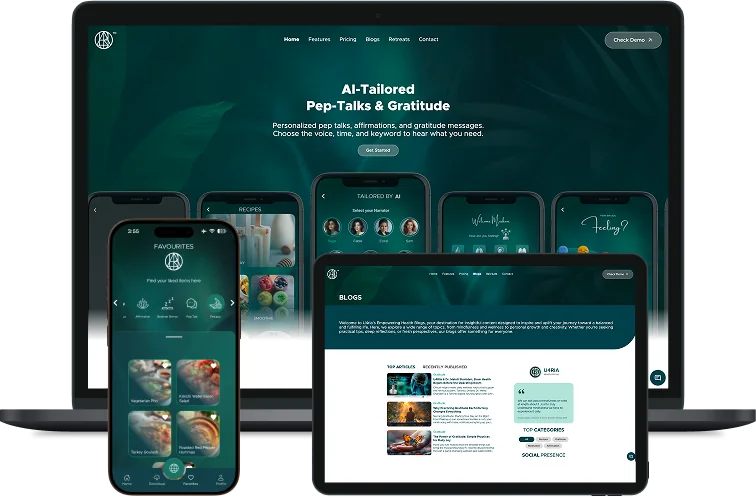
U4RIA brings multiple wellness experiences into one product. Its case study explores the journeys and interface decisions behind helping people find their next useful activity.
Read the full case studyClear scope. Visible progress.
A defined project can take a specific outcome through to release. If your priorities change regularly, an ongoing engagement can support a shared backlog. We agree the responsibilities, review points and scope before starting.
Understand the work
We start with your users, business model and current constraints. Bring an idea, a running product or a workflow that causes friction. Together we identify what needs to change and what a useful first outcome looks like.
Shape a practical scope
We connect the user journey to the design, engineering and operational work it needs. Assumptions, dependencies and responsibilities are discussed early, so you can make informed decisions about the first release and the work that follows.
Build with visible progress
Designs, prototypes and working features give us something concrete to discuss. We review progress with you, resolve questions as they arise and test the important journeys. Changes to priorities are considered against the agreed scope.
Launch and keep improving
Release preparation includes the agreed testing, deployment and handover. We make support responsibilities clear and can continue as your product team, improving the experience as you learn from real use and plan the next release.
Frequently asked questions
Can you design a product that our own developers will build?
Yes. We can provide flows, prototypes and interface specifications for your development team. We agree the required detail during scoping, including responsive behaviour, component states and any implementation reviews. Bringing developers into key reviews helps keep the design practical.
Do we need a full design system for a first release?
Not every product needs a large component library immediately. A focused set of foundations and reusable patterns may be enough for a first release. We choose the level of documentation and system work around the size of the product, the team using it and the changes you expect to make.
How much does a software development project cost?
The cost depends on the user journeys, integrations, platform requirements, design work and operational needs in the scope. A content website and a subscription app with an admin platform require different work. Share your priorities and budget range so we can discuss a practical first release, the assumptions behind an estimate and what can be delivered later.
Do you offer ongoing development after launch?
Yes. An ongoing engagement can cover planned improvements, maintenance, fixes and release support. We can work with a defined project scope or a monthly bank of hours as priorities evolve. Before starting, we agree how work is prioritised, what support is included and how progress is reviewed, so the arrangement fits the way your team operates.