

THE RIGHT WORK, AT THE RIGHT TIME
Your app. Built on the right foundation.
We develop React Native and Expo apps for iOS and Android, connecting the customer experience with the backend and administration it needs. That can mean a wellness library like U4RIA, a coaching subscription like Coach Phil or an existing product that needs a clearer interface and a more maintainable codebase. We start with the useful journey your first release should complete.
Our mobile app development scope can include accounts, subscriptions, content libraries, messaging, notifications and connections to your existing systems. We also plan the administration your team needs to support those features. For a subscription product, for example, the experience includes access rules and account states as well as the purchase screen. Those relationships shape the interface and the backend together.
React Native is the foundation we use most for mobile app development, including both Expo and bare React Native projects. We help you choose how to build and maintain the app around its native SDKs, release process and existing code. Our work covers new Expo applications, custom development builds, native integrations and ongoing development in established iOS and Android projects. Flutter can also be considered where it fits an existing product or a specific brief.
A shared codebase still needs platform-specific care. We plan real-device testing, permissions, interrupted connections, signing and store submission alongside feature development. For an existing app, we review the current build before recommending a workflow change. The aim is to keep the product maintainable as operating systems, dependencies and your business change.
THE WORK IN PRACTICE
Real apps. Different business needs.

U4RIA
U4RIA connects wellness content, mood-led discovery, personalized encouragement and community. Our scope includes product design, web and mobile development, and AI features. Its 300k+ downloads across platforms are a client-reported product milestone.
Read the U4RIA case study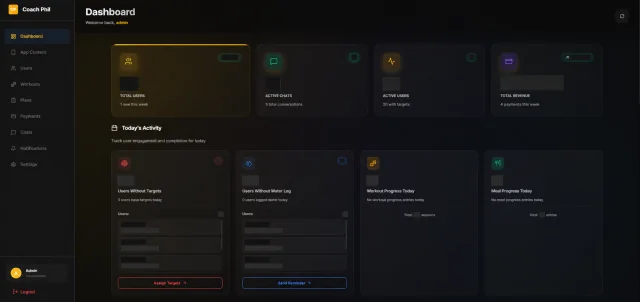
Coach Phil
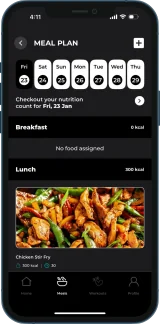
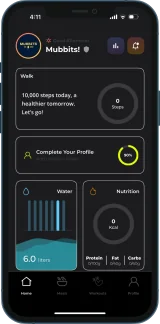
Coach Phil’s subscription app brings goals, workouts and meals together with the web admin panel used to manage clients and content. Explore the original screens and the connected coaching workflow.
Read the Coach Phil case study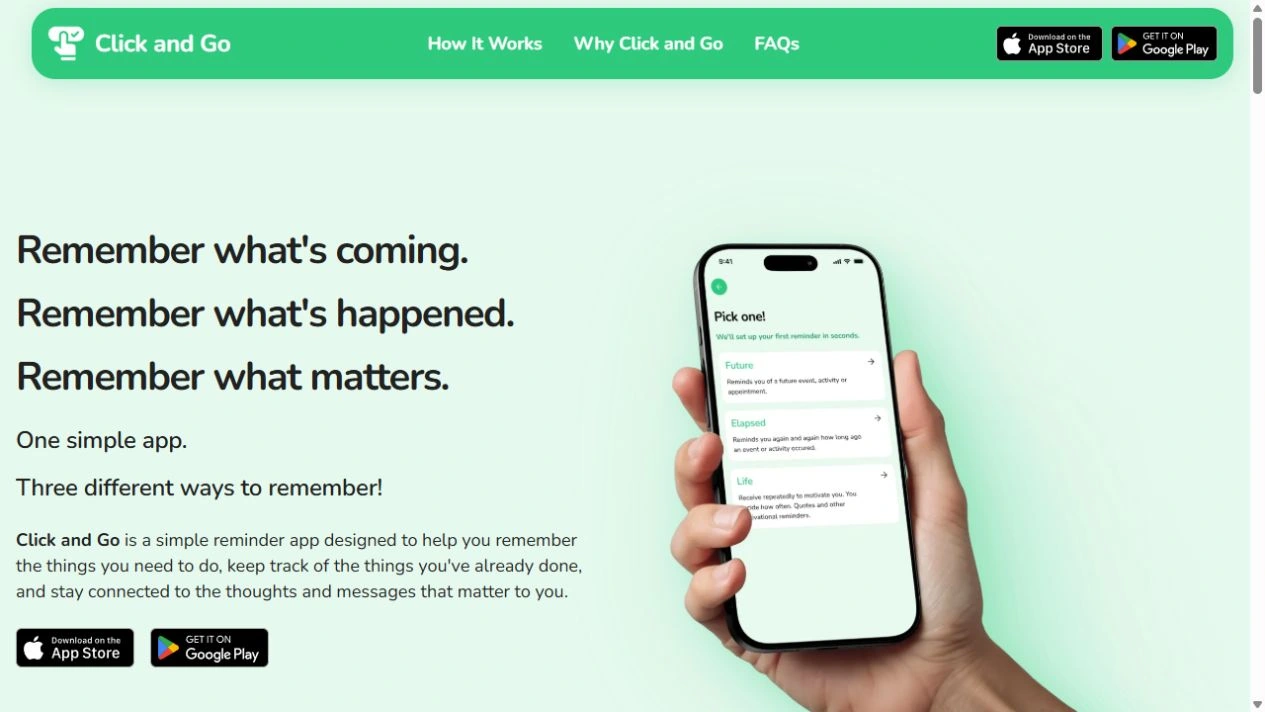
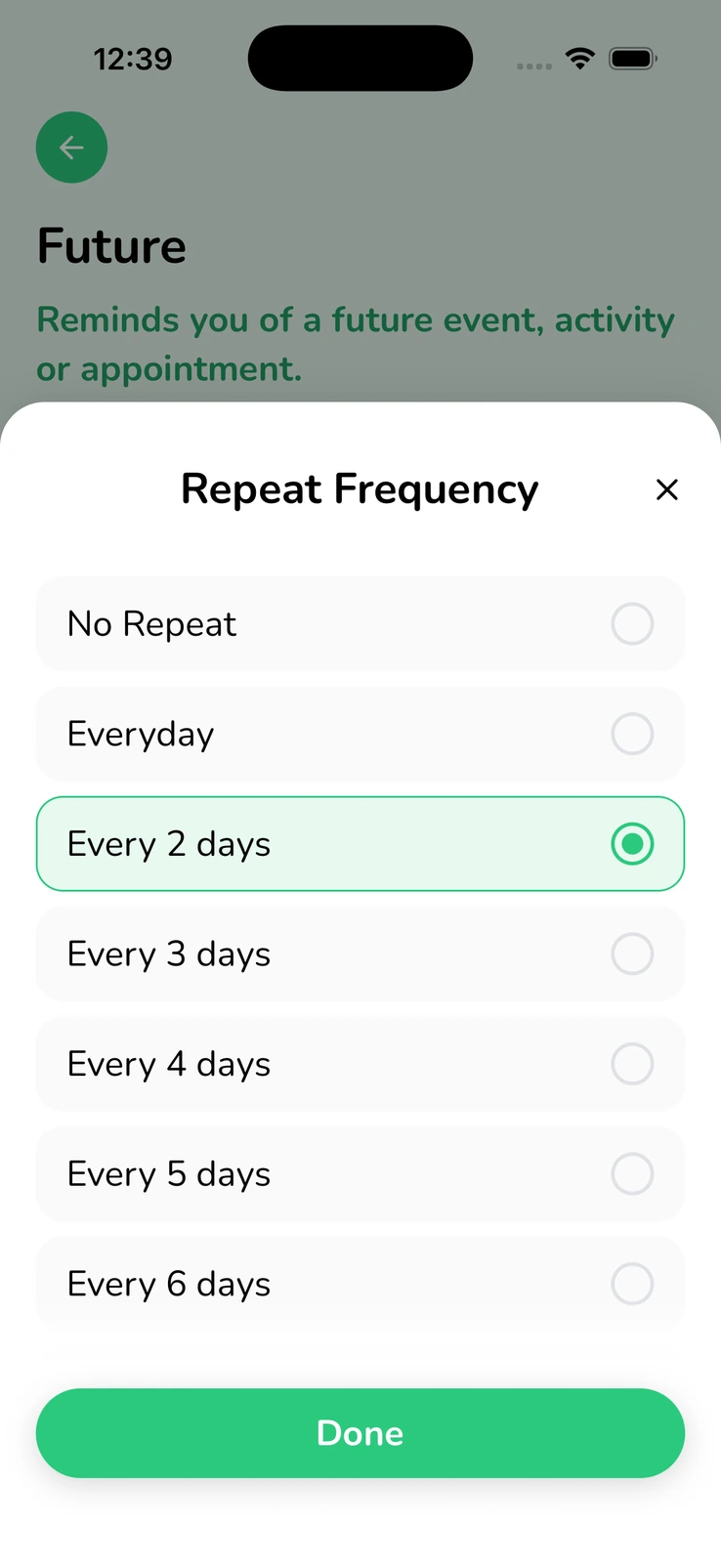
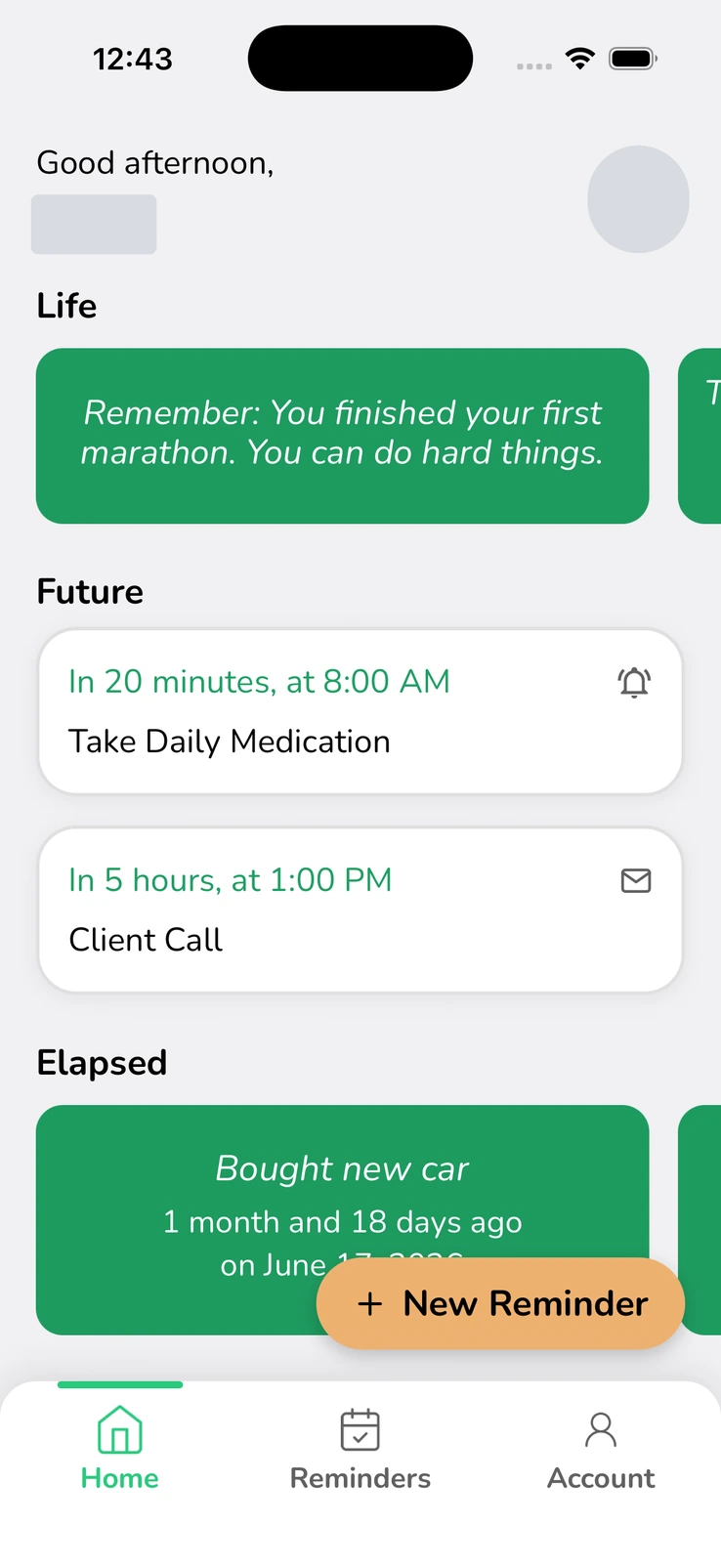
Click and Go
Click and Go shows our work improving an existing reminder app. The case study follows the original and redesigned journeys, recurring reminders and the React Native modernization scope.
Read the Click and Go case studyFor a defined coaching-product starting scope, explore our branded fitness app package. Custom applications and these portfolio projects have their own agreed scopes.
EXPLORE THE SERVICES
A closer look at where we can help.
Choose a service to explore the scope, delivery approach and questions to consider for your project.
iOS and Android app development
Mobile products with shared foundations and attention to each platform’s devices, interactions and release requirements.
Explore this serviceMobile app integrations and connected experiences
Subscriptions, authentication, messaging, notifications and backend connections that support the whole mobile journey.
Explore this serviceMobile user experience design
Onboarding, navigation and daily-use mobile journeys that are clear on small screens and real devices.
Explore this serviceMobile app testing and release support
Prepare a mobile product for submission, review and continued maintenance with an agreed release checklist.
Explore this serviceReact Native development for the app and the business around it
React Native sits at the centre of our mobile development work. It lets us share product logic and much of the interface across iOS and Android while working with the device capabilities the experience needs. That can suit a coaching subscription, a wellness content library, a booking platform or a workforce app. The useful question is how reliably the whole journey works, from the first sign-in to the task a customer returns for.
We can take a new product from flows and prototypes into a working app, or join an existing React Native codebase to develop features, resolve integration problems and prepare the next release. Scope can include TypeScript components, navigation, authentication, APIs, media, notifications and the backend or admin panel. We agree the exact integrations and acceptance criteria before estimating the work.
Shared development does not mean treating the platforms as identical. We review permissions, navigation, accessibility, device sizes and background behaviour on both systems. For features such as audio, subscriptions or a vendor SDK, an early working integration helps identify the real constraints before the rest of the interface is built around it.
Expo app development beyond the prototype
Expo is a framework and toolset built around React Native. Our Expo development work can include app setup, development builds, native libraries, configuration plugins, build profiles and release preparation. It is a practical route for teams that want a shared mobile foundation with a consistent development workflow, provided the required integrations fit the chosen versions.
Expo Go is useful for trying compatible functionality, but its installed native libraries are fixed. A development build is your app’s own testing binary and can include the native dependencies it needs. Requiring a custom SDK does not automatically mean leaving Expo. We check the integration, configuration and device behaviour in a development build before recommending the approach.
Where Continuous Native Generation fits, app configuration and plugins describe the native setup so iOS and Android projects can be generated again. EAS Build can support hosted builds, while local builds and existing pipelines remain options. We agree account ownership, environment separation and who maintains the release process as part of the delivery scope.
Bare React Native development and native project ownership
Some apps already have substantial work in their iOS and Android projects, or depend on platform-specific configuration that the team needs to maintain directly. We support bare React Native development in that context: reviewing the existing native setup, integrating required SDKs, resolving build problems and planning dependency upgrades alongside product features.
Bare describes how the native projects are maintained; it does not mean every Expo tool is unavailable. Expo modules and selected services can be adopted within an existing React Native app. We separate those choices so a useful build tool or library does not become an unnecessary application rewrite.
For an inherited app, we start by reproducing the current build and identifying custom native changes, signing ownership, dependency constraints and release requirements. A migration to Expo or generated native projects is considered only when its benefits justify the work. Any direct changes that need to survive regeneration must first be represented in configuration, plugins or maintained modules.
Expo or bare React Native: decide with your hardest feature
For a new app, we usually evaluate Expo with development builds first. For an established app with carefully maintained native projects, keeping that workflow may be the sensible starting point. We compare the actual SDKs, supported devices, build ownership and upgrade responsibilities. Neither label is a promise of lower cost or better performance on its own.
Bring us the feature you are least sure about, your current repository if you have one, and the platforms you need to support. We can scope a focused technical review or prototype, then use that evidence to plan the app. Our comparison guide explains the choices, migration risks and release questions in more detail.
Read Expo vs bare React Native: how to chooseConnect the app to the business behind it
The visible app is only one part of the product. Content may need to be published, subscriptions checked, customer messages answered or user records maintained. We map those responsibilities alongside the client-facing screens, so the backend and administrative workspace support the experience from the beginning.
A prototype helps us agree the main journey before building every screen. We discuss sign-in, navigation and the feature that gives someone a reason to return. Platform-specific requirements, device capabilities and interrupted connections are identified early. Those decisions help determine whether a shared cross-platform codebase or a more specialised integration fits the brief.
Prepare for real devices and a real release
Testing needs to reflect how mobile products are used. We agree a device and operating-system matrix, check the important flows and consider permissions, backgrounding, poor connectivity and expired sessions. Purchase-related work also needs attention to subscription status, restored access and the difference between the development and production environments.
Release preparation can include build configuration, signing, store-listing assets and submission support. Review decisions remain with the platform, so the schedule should allow room for feedback and any required changes. We also agree who maintains the app after launch and how future operating-system updates, dependency changes and product improvements will be handled.
Know what belongs in your first release
A useful first scope connects the app to everything needed to run it. We identify the member or customer journey, backend records, administrative tasks and external integrations, then agree what acceptance looks like. Deliverables may include reviewed flows, a working app, the agreed APIs and admin screens, device checks, production builds and handover notes. Each item belongs in the proposal rather than being assumed from a screen count.
Budget and timing depend on the difficult parts of that journey: native SDKs, subscriptions, media, offline behavior, imports and the condition of an inherited codebase. Share the feature you are least sure about and a budget range. We can define a review or prototype first, then estimate the next phase from what it establishes. Store accounts, content, signing access and review availability are practical dependencies to plan early.
Clear scope. Visible progress.
A defined project can take a specific outcome through to release. If your priorities change regularly, an ongoing engagement can support a shared backlog. We agree the responsibilities, review points and scope before starting.
Understand the work
We start with your users, business model and current constraints. Bring an idea, a running product or a workflow that causes friction. Together we identify what needs to change and what a useful first outcome looks like.
Shape a practical scope
We connect the user journey to the design, engineering and operational work it needs. Assumptions, dependencies and responsibilities are discussed early, so you can make informed decisions about the first release and the work that follows.
Build with visible progress
Designs, prototypes and working features give us something concrete to discuss. We review progress with you, resolve questions as they arise and test the important journeys. Changes to priorities are considered against the agreed scope.
Launch and keep improving
Release preparation includes the agreed testing, deployment and handover. We make support responsibilities clear and can continue as your product team, improving the experience as you learn from real use and plan the next release.
Plan the build and the release.
Use these guides to prepare the decisions that affect your app’s scope and delivery.
React Native or Flutter?
Compare the foundations against your product and maintenance needs.
Read the guidePrepare an iOS release
Work through signing, store information and release-readiness decisions.
Read the guidePrepare an Android release
Understand the testing and publishing work around a Play Store launch.
Read the guidePlan for interrupted connections
Define saved work, conflicts and recovery before implementing offline sync.
Read the guideFrequently asked questions
Do you develop with both Expo and bare React Native?
Yes. React Native is our most-used mobile foundation, and our work includes Expo and bare workflows. We can develop a new app, add native integrations or improve an existing codebase. The starting point depends on the product’s requirements and how its native projects are maintained.
Can Expo support custom native SDKs?
Yes, using a development build with the required native code and configuration. Expo Go has a fixed native runtime, which is a different constraint. We check package compatibility, platform setup and real-device behaviour before committing to a specific integration.
Can you migrate an existing React Native app to Expo?
We can assess and scope that migration. Expo tools can be adopted incrementally without immediately regenerating native projects. We review custom iOS and Android changes first, preserve the existing app identity and release setup, and test a working build before changing the maintenance workflow.
Can one app support both iOS and Android?
Yes. React Native can share much of the app across both platforms. We still plan for differences in permissions, devices, native features and release requirements. A real-device test plan remains part of the work whichever workflow is selected.
Can you build a subscription app and its admin panel?
Yes. We can connect the client app, subscription access and the workspace your team needs to run the service. Coach Phil is a relevant example, combining goals, meals and workouts in the mobile app with an administrative side for the coaching business.
Can you take over an app from another development team?
Yes, after reviewing the repository, dependencies, build process and account access. We start by reproducing a working build and documenting the important user journeys. Click and Go is a related modernization example. The findings determine whether targeted changes, an incremental upgrade or a larger rebuild make sense.
What happens to the app and accounts at handover?
The proposal identifies source-code and design ownership, store and cloud accounts, signing access and the documents your team receives. We also agree release responsibilities, support coverage and any ongoing maintenance. Those details should be settled before work starts, including how an existing team can continue maintaining the product.
Do you have a starting package for fitness coaches?
Yes. Launch starts at $1,000 for one-time setup, including the first month. The $500 monthly fee starts in month two. Custom features and a broader product are quoted separately. The package has a defined coaching-product scope; a custom mobile or wellness platform is estimated separately. Explore the fitness app page for the modules, examples and inquiry route.
How much does a software development project cost?
The cost depends on the user journeys, integrations, platform requirements, design work and operational needs in the scope. A content website and a subscription app with an admin platform require different work. Share your priorities and budget range so we can discuss a practical first release, the assumptions behind an estimate and what can be delivered later.
Do you offer ongoing development after launch?
Yes. An ongoing engagement can cover planned improvements, maintenance, fixes and release support. We can work with a defined project scope or a monthly bank of hours as priorities evolve. Before starting, we agree how work is prioritised, what support is included and how progress is reviewed, so the arrangement fits the way your team operates.